Small Changes, Big Difference: How to Improve Your Household Finances


Small Changes, Big Difference: How to Improve Your Household Finances
For most American households, housing costs are the single largest expense. Mortgage or rent payments, utilities, insurance, and maintenance can quickly add up. The good news is that you don’t need a major lifestyle overhaul to make a meaningful impact on your finances. Small, consistent changes can free up money, reduce stress, and help you build long-term stability. Here’s how to get started.
Get a Clear Picture of Your Expenses
The first step toward improving your household finances is understanding where your money goes. Many people know their rent or mortgage payment but underestimate how much they spend on electricity, water, internet, and other recurring bills.
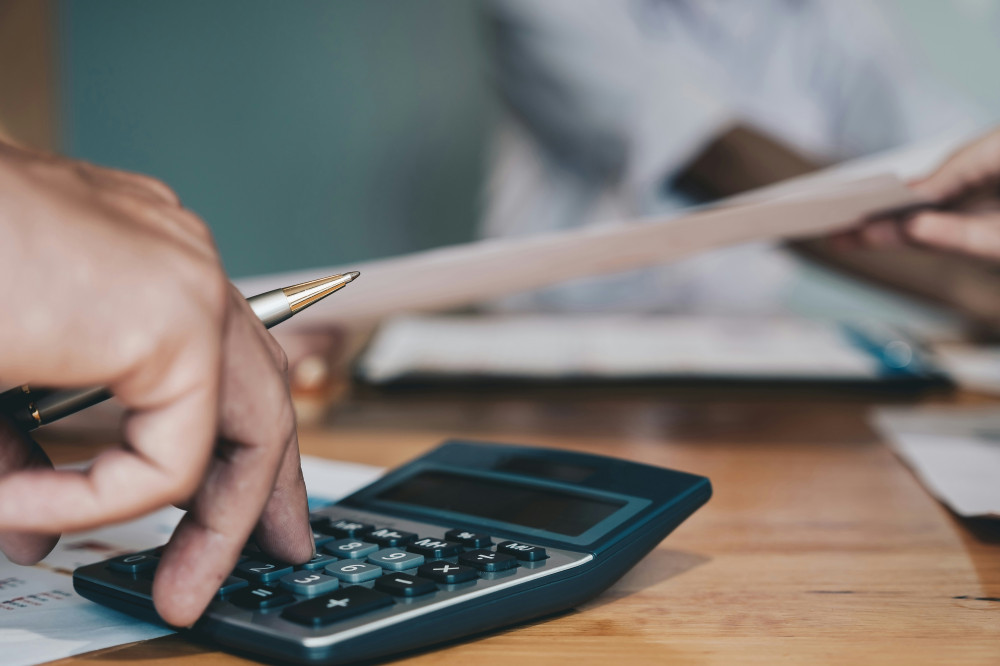
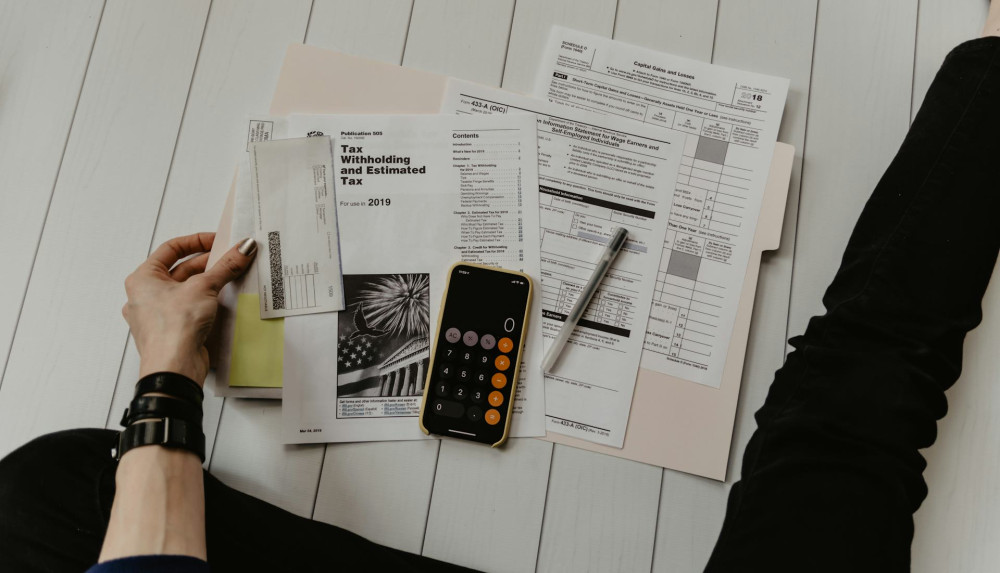
Create a simple budget using a spreadsheet or a free app like Mint or EveryDollar. List all your fixed and variable expenses, and compare them to your income. Once you see the numbers clearly, it becomes easier to identify areas where you can cut back or optimize.
You can also compare your utility costs to local averages. Many utility companies provide online tools that show how your usage stacks up against similar households in your area.
Review Your Loans and Insurance Policies
Your mortgage, car loan, and insurance policies are often areas where small adjustments can lead to big savings. If you own your home, check whether refinancing your mortgage could lower your interest rate or shorten your loan term. Even a one-percent reduction in interest can save thousands over time.
The same goes for insurance. Review your homeowners, auto, and health insurance policies annually. You might be paying for coverage you no longer need or missing out on discounts for bundling policies. Shopping around and comparing quotes can make a noticeable difference in your monthly budget.
Cut Energy Costs Without Sacrificing Comfort
Energy bills can take a big bite out of your budget, but there are plenty of low-cost ways to reduce them.
- Adjust your thermostat. Lowering the heat by just one or two degrees in winter—or raising it slightly in summer—can reduce energy use by up to 5%.
- Switch to LED bulbs. They use up to 80% less electricity and last much longer than traditional bulbs.
- Unplug electronics. Devices left on standby can account for 5–10% of your electricity bill.
- Seal drafts. Weatherstripping doors and windows can prevent heat loss and lower heating and cooling costs.
If you own your home, consider energy-efficient upgrades like better insulation, a smart thermostat, or Energy Star–rated appliances. Many states and utility companies offer rebates or tax credits for these improvements.
Use Water Wisely
Water bills may not seem huge, but waste adds up over time. A dripping faucet or running toilet can waste hundreds of gallons a month.
Install low-flow showerheads and faucet aerators to reduce water use without sacrificing pressure. Run dishwashers and washing machines only with full loads, and fix leaks promptly. These small habits can save both water and money.
Stay on Top of Maintenance
Preventive maintenance may feel like an expense, but it’s actually an investment. Small repairs that are ignored can turn into costly problems later.
Inspect your roof, gutters, and plumbing regularly. Clean dryer vents and HVAC filters to keep systems running efficiently. A well-maintained home not only costs less to operate but also retains its value better over time.
Embrace Sharing and Reuse
Improving your household finances isn’t just about cutting costs—it’s also about thinking creatively. Sharing and reusing can stretch your budget while reducing waste.
Consider borrowing tools, lawn equipment, or party supplies from neighbors or local “buy nothing” groups. Check thrift stores, Facebook Marketplace, or community swap events for furniture and household items. You can often find high-quality goods for a fraction of the retail price.
Build a Financial Safety Net
Even with careful planning, unexpected expenses happen—a broken appliance, a medical bill, or a car repair. Having an emergency fund can keep these surprises from turning into debt. Aim to save enough to cover at least two to three months of essential expenses. Start small if you need to; even $25 a week adds up over time.
Læs også:



Small Steps, Lasting Impact
Improving your household finances doesn’t require drastic measures. It’s about making thoughtful, consistent choices—tracking your spending, reviewing your bills, and maintaining your home. Each small step builds momentum, and over time, those small changes can make a big difference in your financial well-being.
Start with one area today, and keep going. The results will speak for themselves.
Læs også: