Virtual Worlds as Spaces of Experience – When Technology Renews Tourism

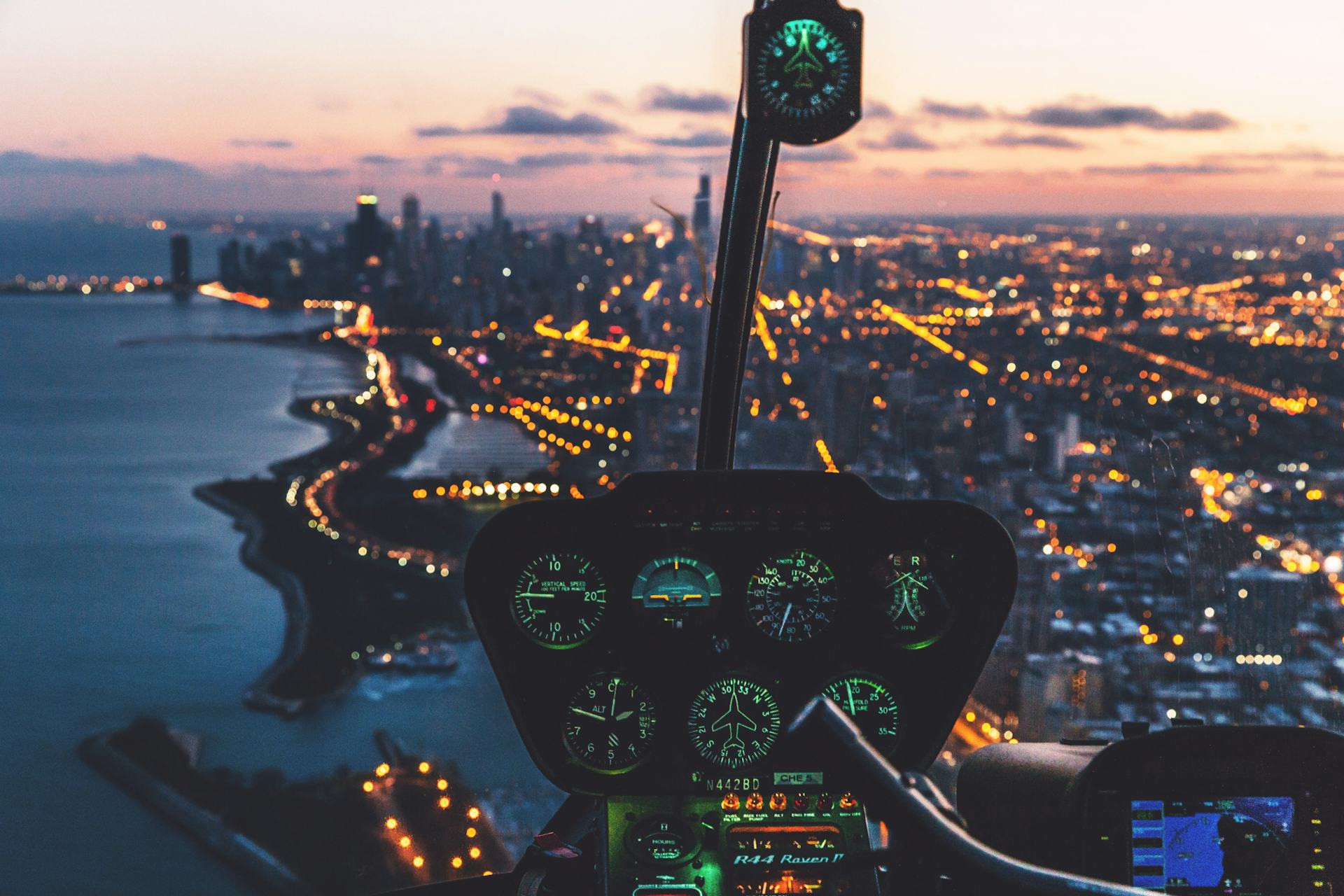
Virtual Worlds as Spaces of Experience – When Technology Renews Tourism
Imagine standing at the edge of the Grand Canyon, feeling the wind on your face, or walking through the streets of ancient Rome while hearing the sounds of daily life — all without leaving your living room. Virtual worlds are no longer just playgrounds for gamers. They are becoming part of how we travel, learn, and experience the world. Technology is opening new doors for tourism, where experiences can be created, shared, and personalized in ways we could only dream of a decade ago.
From Screen to Sensation
Virtual reality (VR) and augmented reality (AR) have moved from niche technologies to mainstream tools. What once required expensive headsets and powerful computers can now be accessed through a smartphone and an affordable viewer. This democratization of technology means that more people can explore the world virtually, regardless of budget or mobility.
Museums, travel agencies, and tourism boards are using immersive technology to tell stories that engage all the senses. You can take a virtual tour of the Smithsonian, explore the surface of Mars, or walk through a digitally reconstructed version of Pompeii. It’s not just about seeing — it’s about feeling present in another place and time.
New Ways to Travel
Virtual experiences are changing not only how we plan our trips but also what travel itself means. Many travelers use VR as a “pre-trip” tool — a way to explore destinations before deciding where to go. Others turn to virtual travel as an alternative when physical travel is limited by cost, health, or environmental concerns.
Hybrid experiences are also on the rise, blending the physical and digital. At some national parks, visitors can use AR apps to see how landscapes looked centuries ago or to visualize wildlife that once roamed the area. In these cases, technology doesn’t replace the real experience — it enhances it, adding layers of meaning and engagement.
Sustainability and Accessibility
Virtual travel may also help address some of tourism’s biggest challenges. Overtourism and carbon emissions are pressing global issues, but digital experiences can relieve pressure on popular destinations while still allowing people to connect with the world’s cultural and natural heritage.
For those with physical limitations or financial barriers, virtual worlds can open doors that were once closed. A veteran who can no longer travel long distances can still “visit” the national monuments of Washington, D.C. A classroom in a small town can take a virtual field trip to the Amazon rainforest or the International Space Station. In this way, technology becomes a tool for inclusion and education as much as for entertainment.
Experiences That Move Us
While technology is at the heart of these innovations, the true power of virtual tourism lies in emotion. The most successful virtual experiences create a sense of wonder, curiosity, and connection — the same feelings that make real-world travel so meaningful. Designers and storytellers must therefore think beyond the technical aspects and focus on narrative, atmosphere, and interaction.
Across the United States, cultural institutions and tourism organizations are experimenting with these ideas. The National Park Service has developed VR experiences that let users explore Yellowstone’s geysers or the coral reefs of the Florida Keys. Travel companies are offering virtual previews of destinations to inspire future trips. In this way, technology becomes both a storytelling medium and a driver of new forms of experience-based tourism.
Læs også:



The Future of Tourism – Between Reality and Virtuality
Virtual worlds will never fully replace physical travel. The scent of the ocean, the warmth of the sun, and the spontaneous encounters with other cultures are irreplaceable. But technology can expand our understanding of what it means to travel — and who gets to do it.
In the future, tourism will likely exist in a space between reality and virtuality. We will travel with our bodies and our senses, sometimes physically, sometimes digitally — and perhaps discover that both forms of experience can enrich one another.
Læs også: