Women’s Fight for Equality – Different Generations’ Paths to Change


Women’s Fight for Equality – Different Generations’ Paths to Change
The fight for gender equality has taken many forms throughout American history, evolving with each generation’s challenges and opportunities. From the suffragists who demanded the right to vote to today’s activists pushing for intersectional justice, women’s pursuit of equality has been a story of persistence, courage, and transformation. While the goals and methods have changed, the core motivation remains the same: the desire for freedom, respect, and equal opportunity.
The First Steps – The Right to Be Heard
At the turn of the 20th century, women in the United States were largely excluded from political life. They could not vote, and their access to higher education and professional careers was limited. Early pioneers like Susan B. Anthony, Elizabeth Cady Stanton, and Sojourner Truth challenged these restrictions, organizing conventions, petitions, and protests to demand change.
Their efforts culminated in a historic victory in 1920, when the 19th Amendment granted women the right to vote. It was a milestone not only for women’s rights but for American democracy itself, affirming that women’s voices mattered in shaping the nation’s future.
Læs også:



Postwar Women – Between Domestic Ideals and New Opportunities
After World War II, many women who had worked in factories and offices during the war were encouraged to return to domestic life. The ideal of the suburban housewife dominated the 1950s, reinforcing traditional gender roles. Yet beneath the surface, change was brewing. More women pursued college degrees, and the seeds of a new feminist movement were being planted.
The 1960s and 70s brought the second wave of feminism, led by figures like Betty Friedan and Gloria Steinem. This movement fought for equal pay, reproductive rights, and freedom from discrimination in the workplace. The Equal Pay Act of 1963 and Title IX of 1972 were landmark achievements, but the movement’s impact went far beyond legislation—it reshaped how women saw themselves and their place in society.
Generation X and Millennials – Balancing Career, Family, and Choice
For women who came of age in the 1980s and 90s, equality was no longer about access but about balance. They could pursue careers, education, and family life, but often within systems still shaped by old expectations. The gender pay gap persisted, and women continued to shoulder a disproportionate share of caregiving responsibilities.
At the same time, the conversation around equality began to shift toward personal choice. Many women sought to define success on their own terms—whether that meant climbing the corporate ladder, starting a business, or prioritizing family life. The feminist movement diversified, embracing a broader range of experiences and perspectives.
The Younger Generations – New Voices, New Battles
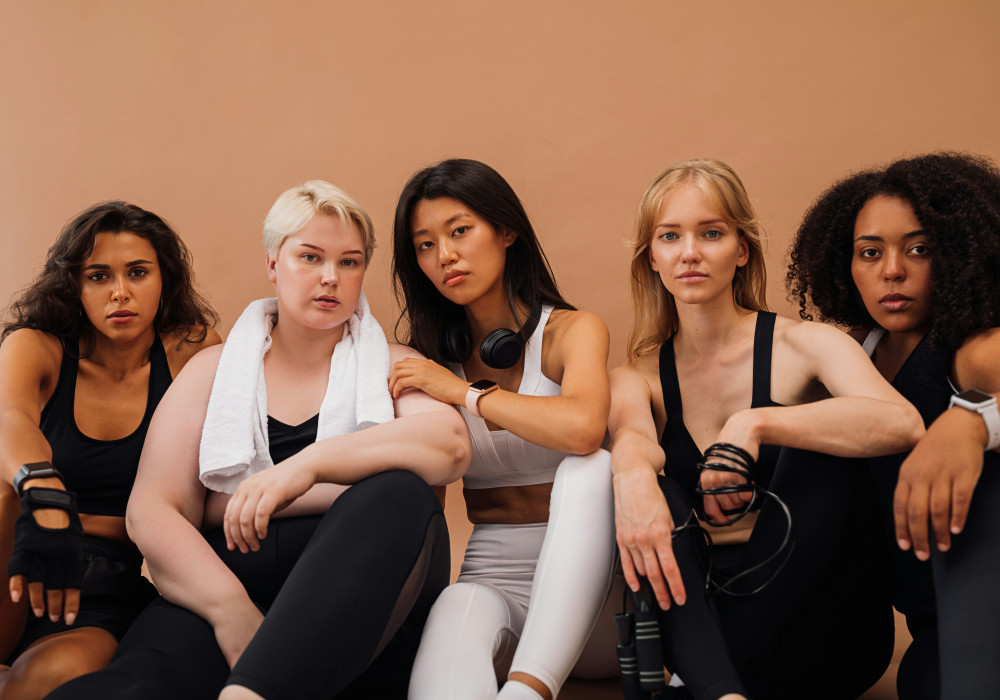
Today’s young women and gender-diverse individuals are redefining what equality means. Generation Z has grown up in a digital world where social media amplifies voices and movements. Issues like consent, body positivity, gender identity, and representation in media and politics are at the forefront of their activism.
Movements such as #MeToo have exposed the persistence of harassment and inequality, sparking global conversations about power and accountability. Younger activists also emphasize intersectionality—the understanding that gender equality cannot be separated from issues of race, class, sexuality, and disability. Their fight is not only for women’s rights but for a more inclusive and equitable society for all.
Different Paths – A Shared Goal
Each generation of American women has fought its own version of the same battle: to live freely and equally, without limits imposed by gender. The suffragists laid the foundation, the feminists of the 20th century expanded the vision, and today’s activists continue to challenge and redefine what equality means in a changing world.
The fight for women’s equality is not a closed chapter in history—it is an ongoing story. It unfolds in legislation, workplaces, homes, and online communities. And perhaps that is the most powerful sign of progress: that the struggle for equality no longer belongs to one generation, but to all of us.
Læs også: