Dress for Your Mood: How Your Clothes Reflect Your Personality

Dress for Your Mood: How Your Clothes Reflect Your Personality
Every morning, you stand in front of your closet and decide what to wear. Maybe you’re thinking about the weather or your schedule, but often your choice also mirrors how you feel inside. Clothes are more than fabric and fit—they’re a language we use to express who we are and what mood we’re in. The right outfit can lift your spirits, boost your confidence, and shape how others see you.
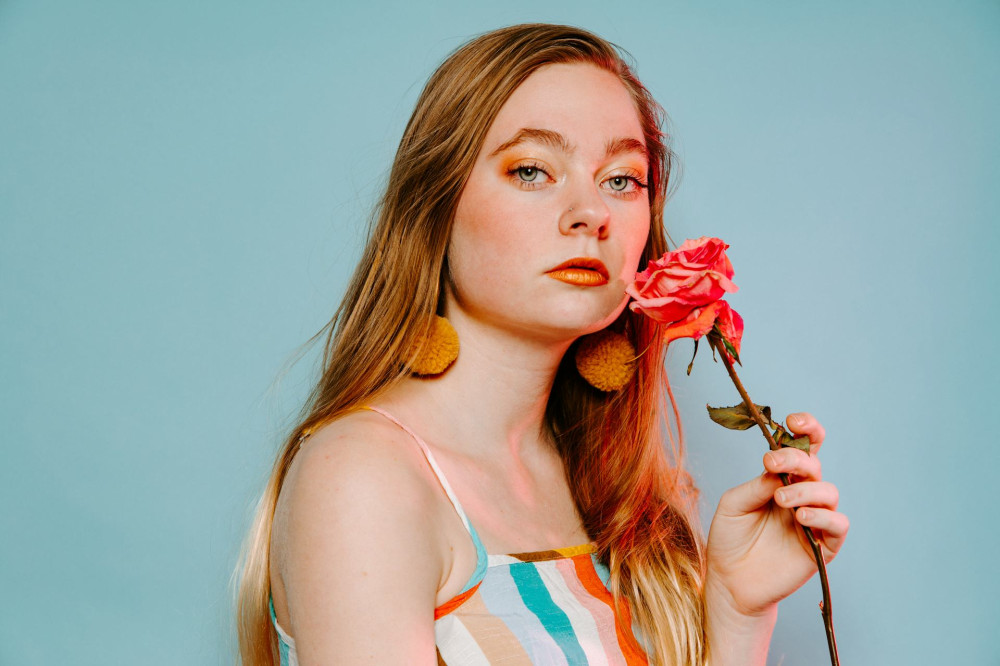
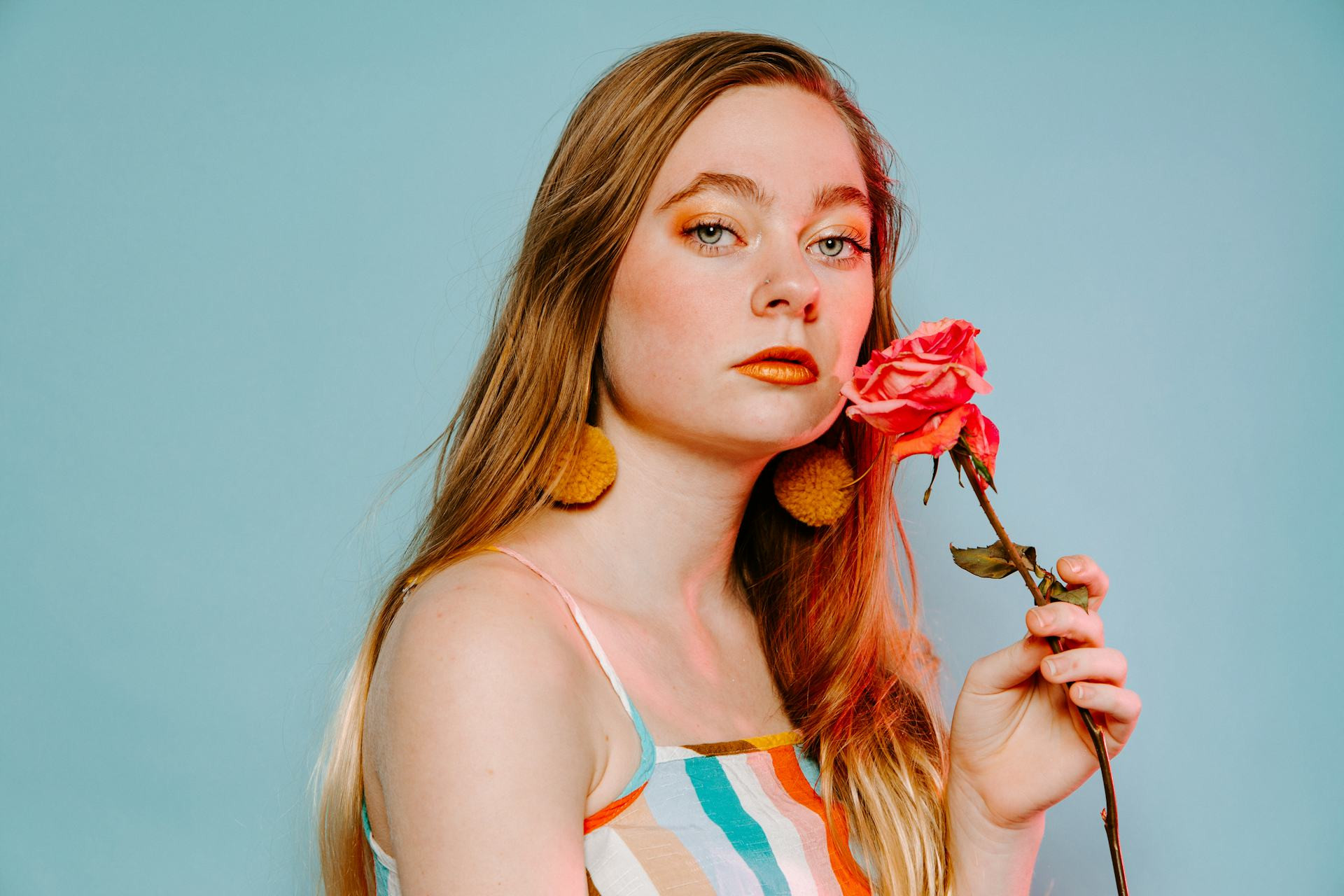
The Power of Color
Colors have a strong psychological impact. They can energize, calm, or inspire confidence.
- Blue often represents calmness, trust, and stability—perfect for days when you want to feel centered.
- Red signals passion, energy, and boldness—ideal when you want to stand out or take charge.
- Green evokes balance and renewal, while yellow brings warmth and optimism.
- Black and gray convey professionalism and control, though too much can feel distant or heavy.
Choosing colors intentionally can help you influence both your mood and the atmosphere you create around you.
Style as a Reflection of Personality
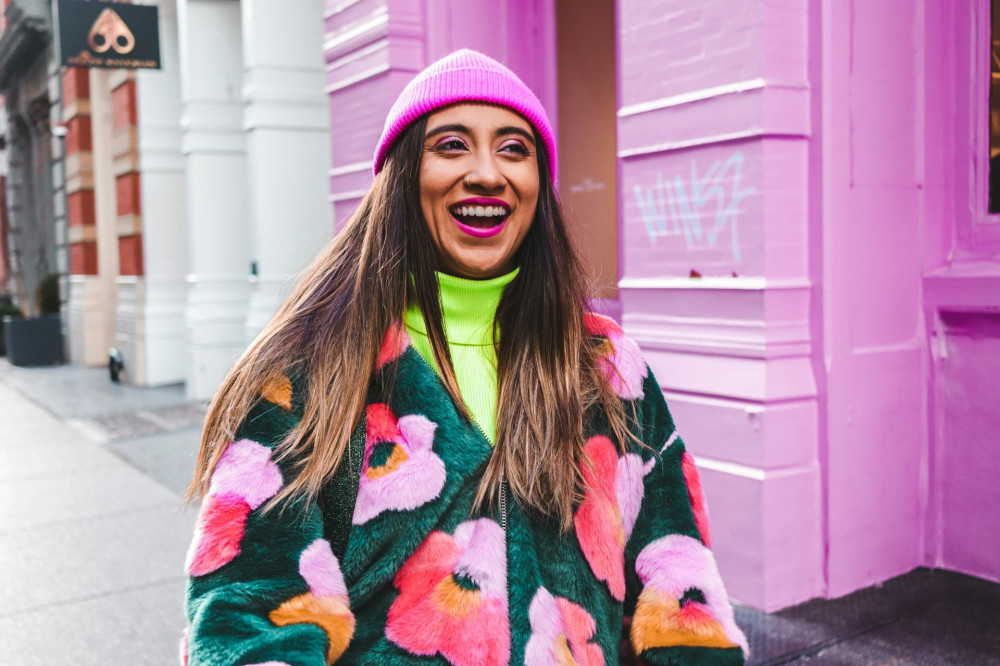
Your personal style often says more about you than you realize. Some people gravitate toward classic cuts and neutral tones because they feel timeless and reliable. Others love patterns, layers, and bold combinations that show creativity and confidence.
It’s not about fitting into a specific category—it’s about finding what feels authentic. When you feel comfortable in your clothes, it shows. That’s why the right outfit can make you feel stronger, calmer, or more focused, depending on what you need that day.
Clothing as a Mood Booster
Clothing can be a tool to shift or enhance your mood. On a gray day, a bright sweater or a fun pair of sneakers can give you a lift. Before a big presentation, a well-fitted blazer or a dress that makes you feel powerful can boost your confidence.
It’s not about dressing for others—it’s about supporting yourself. Many people notice they think and move differently when they feel well-dressed, a phenomenon researchers call enclothed cognition—the idea that what we wear can influence how we think and feel.
Læs også:

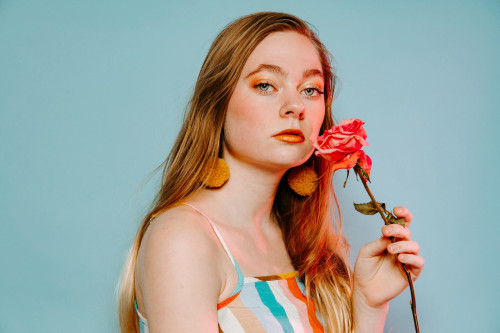

Your Closet as a Story
Your wardrobe can be seen as a collection of stories about who you are and where you’ve been. Maybe you keep a jacket from a memorable trip or a shirt that reminds you of a special occasion. Clothes carry memories and emotions, and organizing your closet with that in mind can help you reconnect with what still feels like “you.”
When you choose clothes that match both your personality and your mood, your wardrobe starts working for you—not against you. It becomes easier to start the day with energy and authenticity.
Finding Your Balance
There are no strict rules for how to dress. The most important thing is that you feel at home in what you wear. Pay attention to how different colors and styles affect you throughout the day. Over time, you’ll notice patterns—maybe certain shades make you feel calm, while others make you more outgoing.
Dressing for your mood is ultimately about listening to yourself. When you use clothing as a form of self-expression, it becomes more than a daily routine—it becomes part of your personal story.
Læs også: