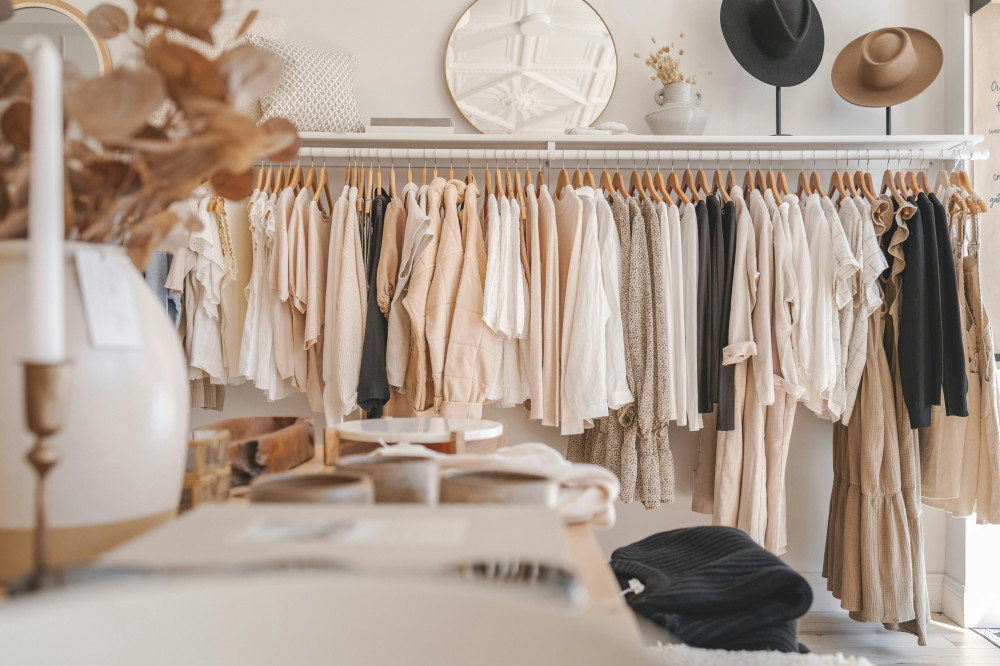
The Future of Recycling: Fashion Design with Circular Materials


The Future of Recycling: Fashion Design with Circular Materials
The fashion industry is undergoing a transformation. For decades, clothing production has been linked to overconsumption, waste, and environmental damage. But a new era is emerging: circular fashion. This approach is not just about creating new garments—it’s about rethinking, reusing, and regenerating materials without compromising on style or quality. The future of fashion design lies in materials that can circulate endlessly, leaving nothing to waste.
From Linear to Circular Fashion
Traditionally, fashion has followed a linear model: raw materials are extracted, clothes are made, worn, and then discarded. This system has generated massive amounts of waste and a heavy carbon footprint. Circular fashion turns that model upside down. It considers the entire life cycle of a garment—from design and material selection to reuse and recycling.
Circular design is not only about using recycled fabrics; it’s about creating systems where clothing can be repaired, redesigned, or transformed into new products. This shift requires both technological innovation and a change in how we consume fashion.
New Materials, Timeless Values
One of the most exciting developments in circular fashion is the rise of innovative, sustainable materials. Researchers and designers are experimenting with everything from textiles made of mushrooms and seaweed to fibers spun from recycled cotton and plastic bottles.
- Recycled cotton reduces the need for new cotton cultivation, which otherwise demands vast amounts of water and pesticides.
- Tencel and lyocell, made from wood pulp, are biodegradable and require far less energy to produce.
- Bio-based materials such as mycelium (mushroom fibers) and plant-based leather offer alternatives to animal and synthetic fabrics.
These materials combine innovation with respect for nature’s cycles—proving that sustainability and design can coexist beautifully.
Designing for Reuse
Circular fashion begins at the drawing board. Clothes must be designed to be taken apart, repaired, and recycled. That means fewer mixed materials, detachable buttons and zippers, and construction methods that make it easy to update or redesign garments.
Many brands are exploring modular design, where parts of a garment—like sleeves, collars, or pockets—can be replaced or updated. This gives clothing a longer life and reduces waste. Others are introducing take-back programs, allowing customers to return used items that are then recycled into new collections.
The Consumer as Co-Designer
The future of fashion isn’t just about production—it’s about participation. Consumers play a crucial role in the circular system. Buying less, choosing quality, and caring for what we already own are key steps. But new business models are also emerging, such as clothing rental, swapping platforms, and repair services.
When consumers become active participants, their relationship with clothing changes. Fashion becomes more than a disposable good—it becomes a story, a craft, and a shared responsibility.
Technology’s Role in Circular Fashion
Digital innovation is driving the shift toward circularity. Traceability technologies like QR codes and digital product passports allow garments to be tracked from production to recycling. This makes it easier to sort materials correctly and ensure they re-enter the right cycles.
At the same time, 3D design and on-demand production enable brands to create garments only when needed, reducing overproduction and waste. The combination of technology and sustainability is paving the way for a more efficient and responsible fashion industry.
Læs også:




A New Aesthetic for the Future
Circular fashion is not just about the environment—it’s also about aesthetics. Recycled and redesigned materials bring unique textures and stories to each piece. This creates a new kind of luxury—one rooted in authenticity, craftsmanship, and care.
Many young designers are embracing imperfection as beauty. Instead of hiding signs of previous use, they highlight them as part of the garment’s identity. It’s fashion with meaning—and with a vision for the future.
Building a Sustainable Future Together
Transitioning to circular fashion requires collaboration across the entire value chain—from manufacturers and designers to consumers and policymakers. Incentives for recycling, new technologies, and shifts in behavior are all essential. But the potential is enormous: a fashion industry that preserves resources instead of depleting them.
The future of recycling is not a passing trend—it’s a necessity. As more brands and consumers join the circular movement, sustainability will no longer be an option but the foundation of how we dress and express ourselves.
Læs også: