How to Make Your Food Look as Delicious as It Tastes

How to Make Your Food Look as Delicious as It Tastes
We eat with our eyes before we ever take a bite. Whether you’re cooking for family, hosting friends, or sharing your creations on social media, presentation can transform a meal from ordinary to irresistible. Beautifully plated food not only whets the appetite but also shows care and creativity. The good news? You don’t need fancy equipment or professional training—just a few simple tricks with color, shape, and light. Here’s how to make your dishes look every bit as delicious as they taste.
Start with the Plate
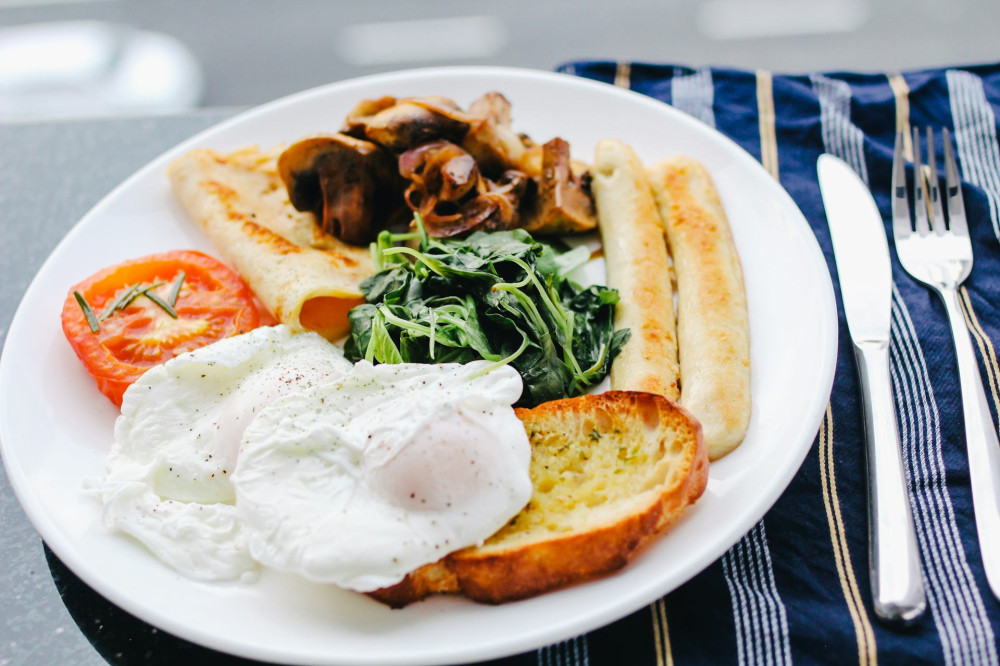
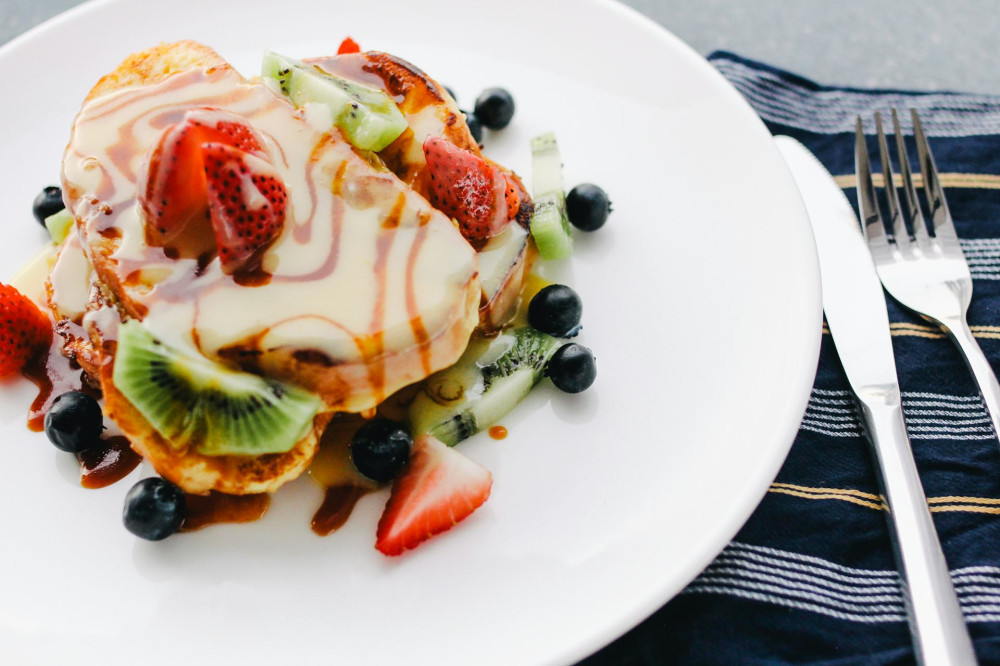
Think of your plate as your canvas. Its size, shape, and color all influence how your food is perceived. A white plate highlights the colors of your ingredients and gives a clean, classic look, while darker or patterned plates can add drama and warmth.
Choose a plate that fits the portion—too large, and your food can look lost; too small, and it may seem crowded. Round plates feel traditional, while square or oval ones can give a modern edge.
When arranging your food, imagine the plate as a clock face: place the main component around six o’clock, sides or vegetables near twelve, and sauces or garnishes to balance the composition. This creates harmony and visual flow.
Play with Color and Contrast
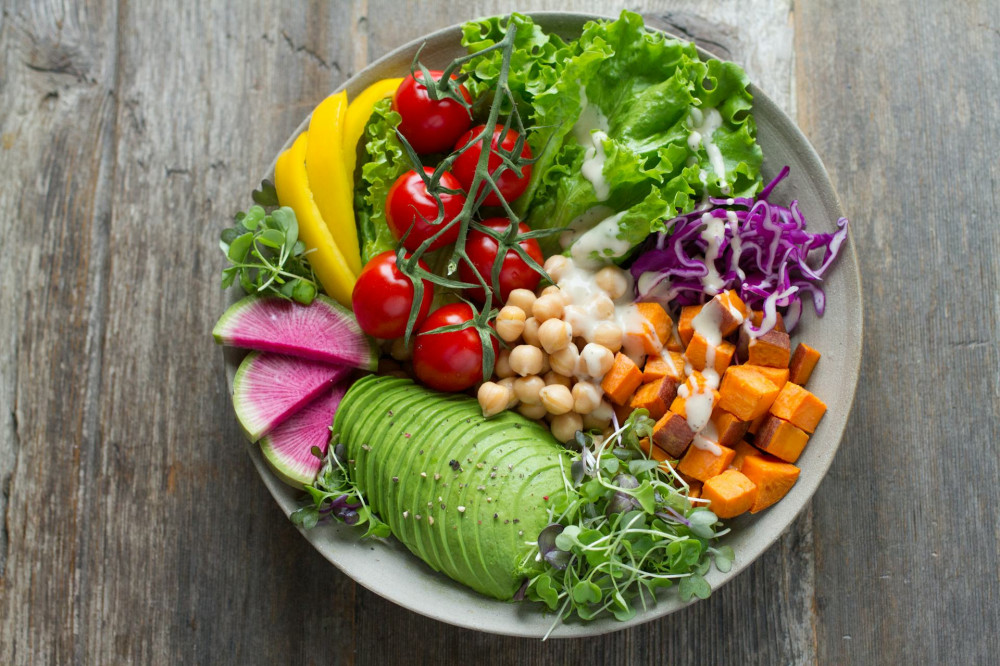
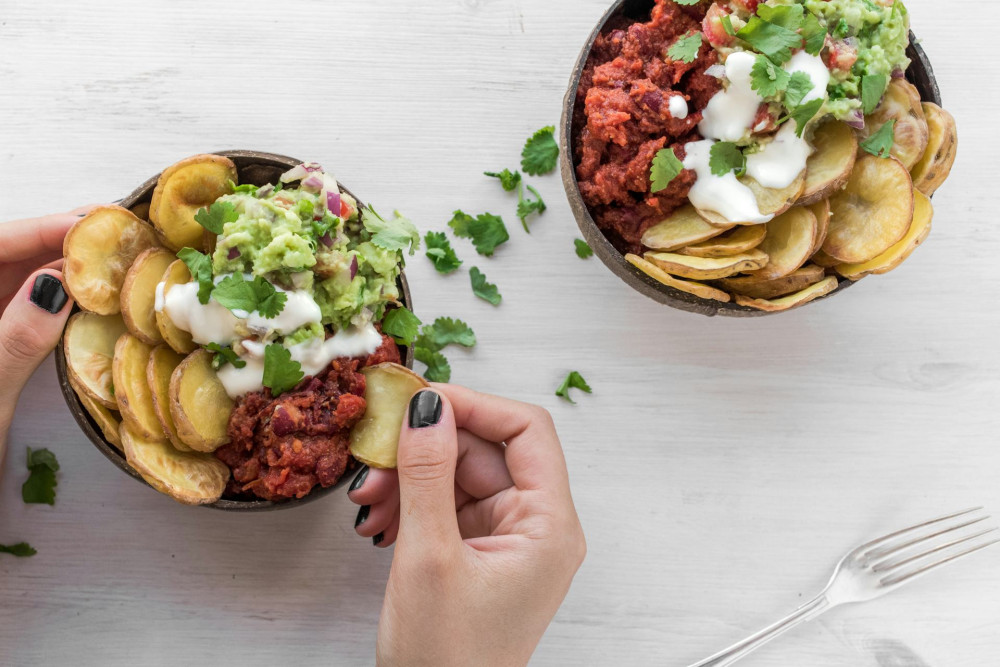
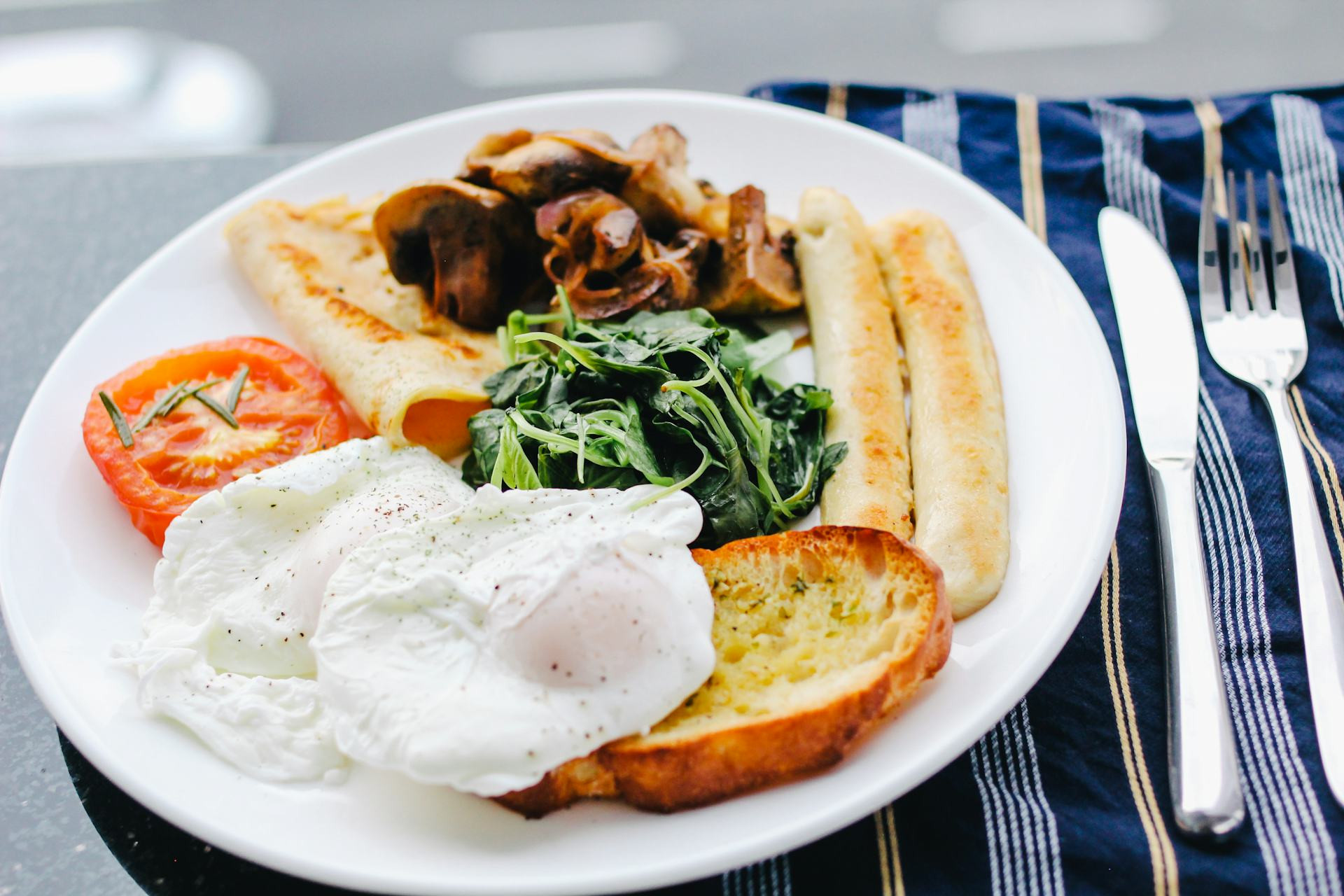
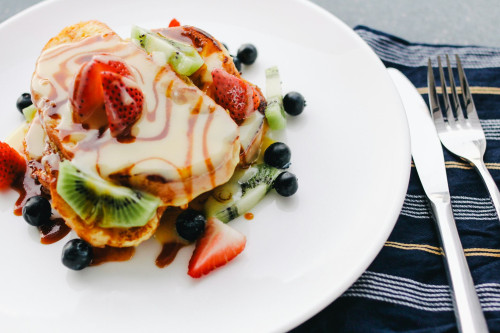
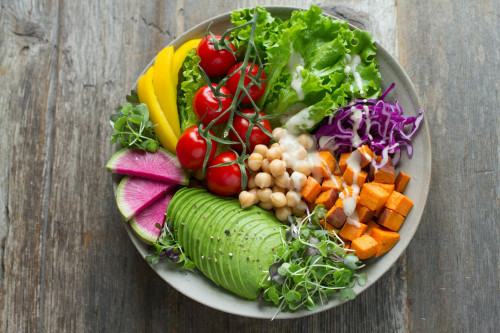
Color is key to appetite appeal. A plate with a mix of vibrant hues looks fresh and exciting, while a monochrome dish can appear dull. Combine ingredients that contrast naturally—bright greens against roasted meats, golden potatoes beside dark mushrooms, or a pop of citrus on a creamy sauce.
If your dish is neutral in tone, add life with garnishes: fresh herbs, edible flowers, or a sprinkle of seeds or nuts. The goal isn’t to overdecorate but to add a touch that draws the eye and enhances the dish’s personality.
Add Height and Texture
Flat food rarely looks interesting. By layering and building height, you create dimension and energy. Try placing grains or vegetables as a base, the main protein on top, and finish with a crisp or colorful topping. This gives depth and makes the dish more dynamic.
Texture matters too. A mix of crunchy, smooth, and creamy elements not only tastes better but also looks more appealing. Think of a crispy crust paired with a silky purée and a fresh salad—together they create balance and visual interest.
Light and Setting Matter
Even the most beautiful dish can fall flat in poor lighting. Natural daylight is your best friend—especially from the side or at an angle. Avoid harsh overhead light, which can cast unflattering shadows and dull the colors.
If you’re photographing your food, keep the background simple. A wooden table, linen napkin, or neutral placemat lets the food shine. Add small details like silverware, a glass of water, or a folded napkin to set the mood, but don’t clutter the frame.
Garnish with Intention
Garnishes should enhance, not overwhelm. Use fresh herbs, a drizzle of olive oil, or a few drops of sauce to add a natural, appetizing finish. Avoid inedible decorations—they can look artificial and distract from the food itself.
A helpful rule of thumb is to think in “three elements”: the main component, a contrasting color or texture, and a small detail that ties it all together. That could be a pinch of flaky salt, a few drops of balsamic glaze, or a hint of chili for color and heat.
Make It Personal
Food presentation isn’t just about technique—it’s about expression. Let your style shine through, whether you love rustic comfort food, minimalist plating, or bold, colorful dishes. The key is authenticity: your presentation should feel natural and true to the meal.
A homemade pie with a bit of flour dust on the counter can be just as beautiful as a perfectly plated restaurant dish. What matters most is the story your food tells.
Læs også:
Practice Makes Perfect
Like any skill, plating improves with practice. Experiment, take photos, and notice what works. Small adjustments in color, lighting, or placement can make a big difference. And remember—the most important thing is still how it tastes. Presentation is simply the finishing touch that makes the experience complete.
Once you start thinking visually, you’ll find that making food look good isn’t just about impressing others—it makes cooking more fun and satisfying. When the eyes are delighted, the taste buds are sure to follow.
Læs også: