Plant Power in Everyday Life: Boost Your Energy with Plant-Based Foods

Plant Power in Everyday Life: Boost Your Energy with Plant-Based Foods
More and more Americans are discovering that plant-based eating isn’t just good for the planet—it’s also a great way to feel more energized, improve digestion, and support overall well-being. Whether you’re ready to go fully plant-based or simply want to cut back on meat, small changes can make a big difference. Here’s how you can boost your energy through the power of plants.
Why Plant-Based Foods Give You Energy
Plants are packed with nutrients your body needs to perform at its best. Fruits, vegetables, legumes, nuts, and whole grains provide vitamins, minerals, fiber, and antioxidants that support your immune system and help maintain steady energy levels.
When you eat more plant-based foods, you often experience:
- More stable blood sugar, thanks to the fiber that slows down energy release.
- Better digestion, since fiber keeps your gut healthy and balanced.
- Less fatigue, because plant-based meals are often lighter and easier to digest.
- A stronger immune system, supported by the vitamins and antioxidants found in colorful produce.
It’s not about eating less—it’s about eating smarter.
How to Get Started
Transitioning to a more plant-based lifestyle doesn’t have to be complicated. Start small and build from there.
- Go meatless a few days a week. Try lentil stews, veggie tacos, or bean chili.
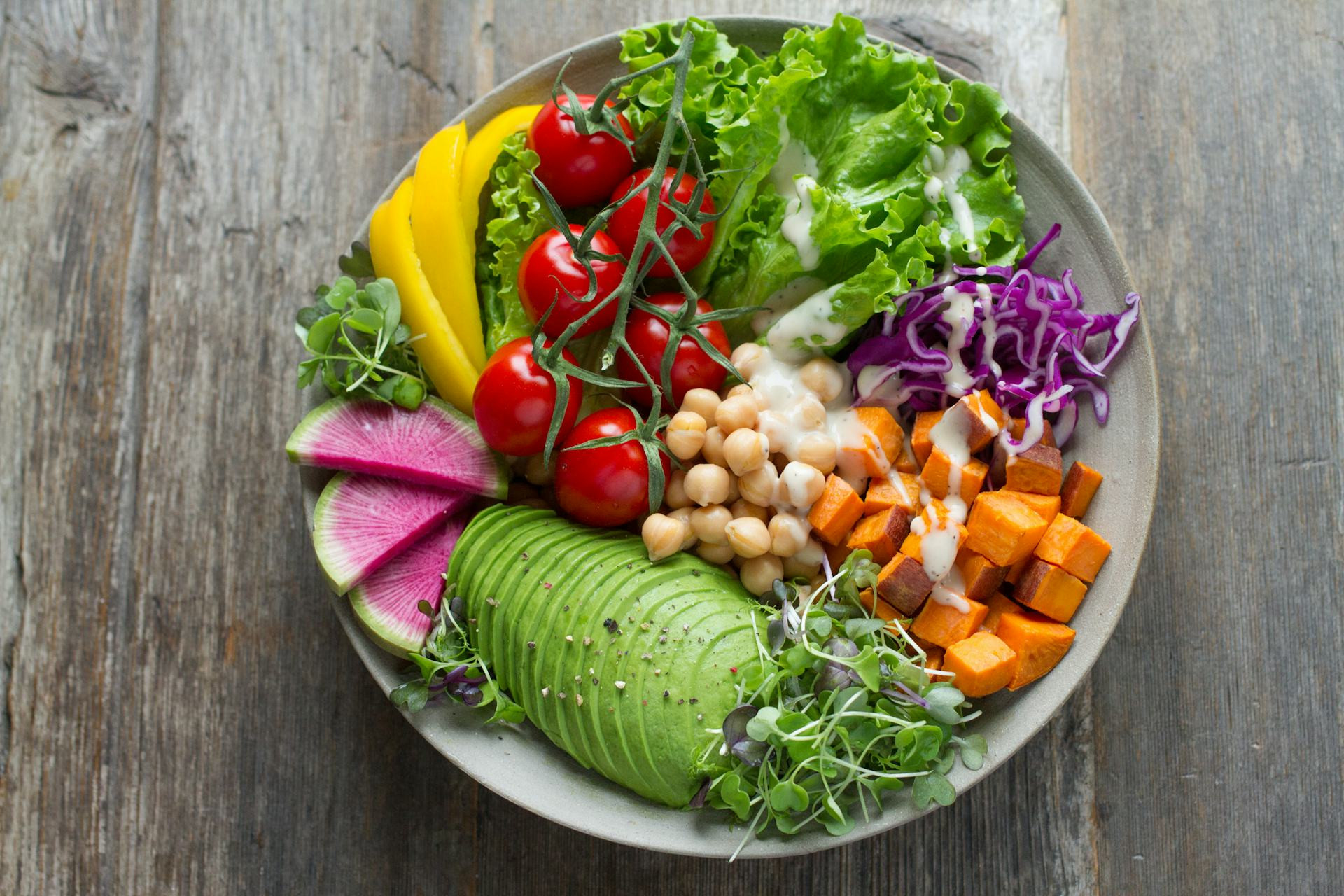
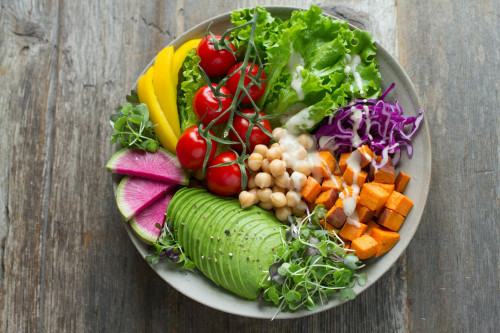
- Fill half your plate with vegetables. They add color, flavor, and lasting fullness.
- Choose whole grains. Quinoa, brown rice, and whole-wheat pasta provide long-lasting energy.
- Experiment with spices. Plants come alive with flavors like curry, garlic, chili, and fresh herbs.
- Snack smart. Nuts, fruit, and veggie sticks with hummus are great alternatives to sugary snacks.
When plant-based eating is easy and delicious, it quickly becomes part of your routine.
Energizing Plant-Based Breakfasts
Breakfast sets the tone for your day. A plant-powered start can help you stay focused and avoid mid-morning crashes.
Try these ideas:
- Oatmeal topped with berries, nuts, and a splash of almond or oat milk.
- A smoothie with spinach, banana, oats, and soy milk.
- Whole-grain toast with avocado and tomato.
These meals combine complex carbs, healthy fats, and plant protein—everything your body needs to start strong.
Lunch and Dinner with Plant Power
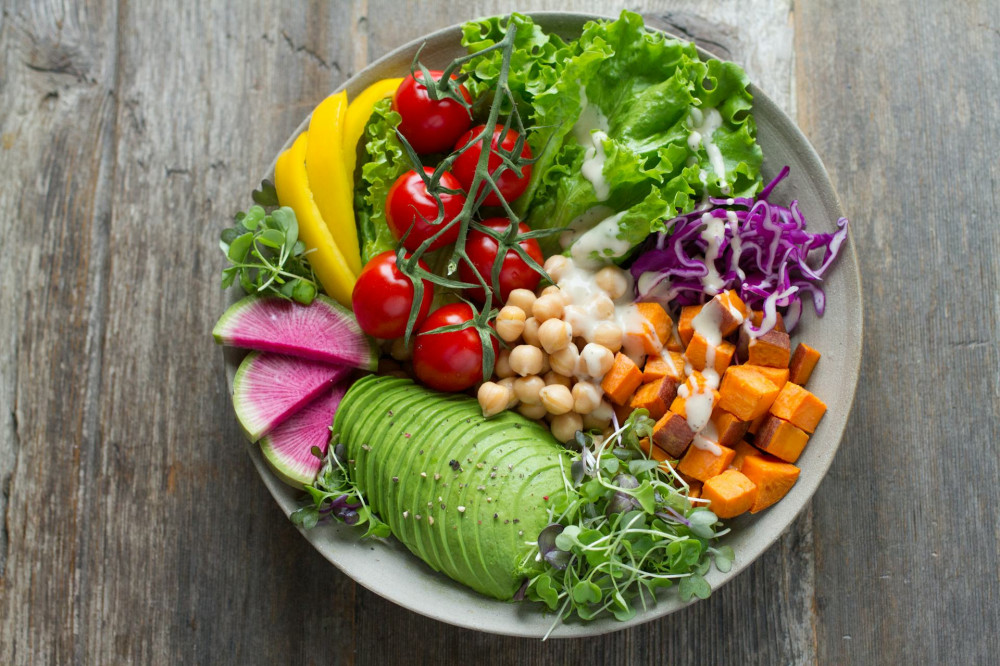
For lunch, go for hearty salads with beans, lentils, or chickpeas for protein. A wrap filled with veggies and hummus is another quick, energizing option.
At dinner, let vegetables take center stage. Try:
- A creamy coconut curry with mixed vegetables.
- A chili made with black beans, corn, and tomatoes.
- Roasted root vegetables served with quinoa and tahini dressing.
By mixing different plant foods, you’ll get all the essential amino acids your body needs—no meat required.
Don’t Forget the Protein
One of the most common questions about plant-based eating is, “Where do you get your protein?” The answer: from plenty of places. Beans, lentils, tofu, tempeh, quinoa, nuts, and seeds are all excellent sources. By eating a variety of these foods, you’ll easily meet your protein needs.
A good rule of thumb is to think in combinations—like rice and beans, or hummus with whole-grain pita. Together, they form a complete protein source.
Læs også:


Energy Is About Balance
While plant-based foods can boost your energy, it’s important to listen to your body. Make sure you’re eating enough calories, staying hydrated, and keeping your meals varied. If you cut back significantly on animal products, consider supplementing with vitamin B12 and possibly vitamin D, especially during the winter months.
Energy isn’t just about what you eat—it’s also about sleep, movement, and mental balance. Still, a plant-based diet can be a powerful foundation for a healthier, more energized life.
A Greener Lifestyle—Step by Step
Eating more plants isn’t an all-or-nothing choice. It’s about finding a rhythm that works for you. Maybe you start with one plant-based day a week—or maybe you dive right in. Every time you choose plants, you’re doing something good for both your body and the planet.
Small changes can lead to big results: more energy, better well-being, and a lighter, more vibrant feeling in your body. That’s the power of plants in action.
Læs også: