Talk Openly About Your Own Funeral – A Conversation That Brings Peace


Talk Openly About Your Own Funeral – A Conversation That Brings Peace
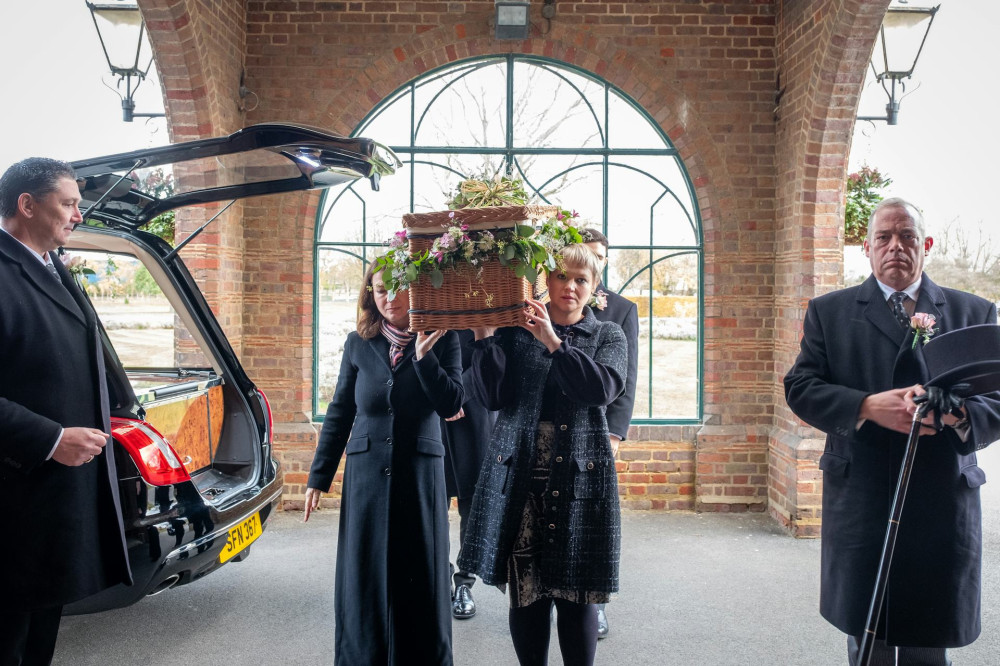
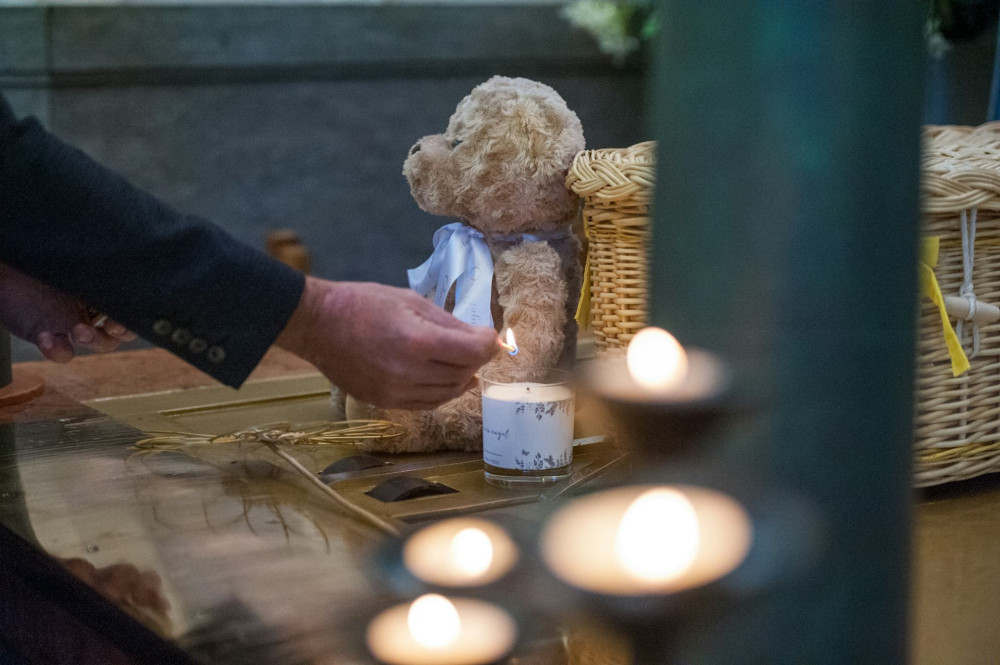
For many Americans, talking about their own funeral feels uncomfortable, even taboo. It can seem morbid or premature. Yet, having that conversation can be one of the most meaningful and compassionate things you do—for yourself and for those you love. When you express your wishes clearly, you give your family peace of mind and spare them from making difficult decisions during a time of grief.
This article explores why it matters to talk about your funeral, how to start the conversation, and what topics you might want to cover.
Why the Conversation Matters
When someone passes away, their loved ones are often left to make dozens of decisions: burial or cremation? A religious service or a celebration of life? What music, readings, or photos should be included? If you’ve already shared your preferences, your family won’t have to guess. You’ll also have the comfort of knowing that your farewell will reflect your values and personality.
But this conversation isn’t just about logistics. It’s also a chance to reflect on what matters most to you—your beliefs, your relationships, and the legacy you want to leave behind. Many people find that once they begin talking about it, the topic feels less heavy and more like an affirmation of life.
How to Begin the Conversation
Starting a discussion about your own funeral can feel awkward, but it doesn’t have to be. Here are a few ways to approach it:
- Use a natural opening. Maybe you’ve attended a funeral, read an obituary, or seen a story about end-of-life planning. You might say, “It made me think about how I’d like my own service to be someday.”
- Choose the right moment. Pick a calm, unhurried time—perhaps over coffee on a quiet weekend or during a family gathering when everyone feels relaxed.
- Be honest about your reasons. You can explain that you want to make things easier for your loved ones or that you simply want to have your wishes known.
- Allow space for emotions. Some people may find the topic difficult or emotional. That’s natural. Give the conversation time, and revisit it later if needed.
What to Talk About
You don’t have to decide everything at once, but here are some areas worth considering:
- Type of service: Would you prefer a traditional funeral, a memorial service, or a celebration of life?
- Burial or cremation: Do you have a specific cemetery, urn, or scattering location in mind?
- Music and readings: Are there songs, poems, or passages that hold special meaning for you?
- Tone and atmosphere: Should the event be solemn and reflective, or joyful and full of stories?
- Practical details: Who should speak, organize the service, or handle arrangements? Are there charities you’d like donations to go to instead of flowers?
You can write your wishes down, but the most important step is to talk about them. That conversation gives your loved ones clarity and confidence when the time comes.
Making It Part of Life
Talking about death is, in many ways, talking about life. When you describe how you’d like to be remembered, you’re also reminded of what—and who—matters most to you right now. Many people find that these discussions lead to deeper reflections: What do I still want to experience? Who do I want to spend more time with? What kind of legacy do I want to leave behind?
It can also open the door to meaningful family conversations about values, memories, and shared stories. In that sense, it’s not just preparation for death—it’s a celebration of connection and love.
Putting It in Writing—Without Pressure
After you’ve talked about your wishes, you might want to record them in a document or use a planning guide such as a “Final Wishes” or “End-of-Life Planning” form. These aren’t legal documents, but they serve as helpful guidance for your family and funeral director. You can always revise your plans later. The key is simply to start the process and let your loved ones know where to find your notes when the time comes.
Læs også:


A Conversation That Brings Peace
Talking openly about your own funeral isn’t morbid—it’s an act of care. You’re easing the burden on your family and giving yourself peace of mind, knowing your wishes are understood.
It’s a conversation that takes courage, but it often leads to relief, closeness, and even gratitude. When we dare to talk about death, we often find that life itself becomes clearer—and our relationships grow stronger.
Læs også: