Urn Burial in Denmark: Regulations, Traditions, and Choosing a Gravesite
Urn Burial in Denmark: Regulations, Traditions, and Choosing a Gravesite
When a loved one passes away and cremation is chosen, the urn containing their ashes becomes the final resting place. Urn burial in Denmark is a calm and dignified ceremony, often more intimate than a traditional funeral. But how does the process work, what are the legal requirements, and what options exist for choosing a gravesite? This article provides an overview for readers in the United States who are curious about Danish practices surrounding urn burial.
What Is an Urn Burial?
An urn burial is the act of placing the urn with the deceased’s ashes into the ground—most often in a cemetery, though other approved locations exist. The burial can take place shortly after cremation or later, depending on the family’s wishes and cemetery regulations.
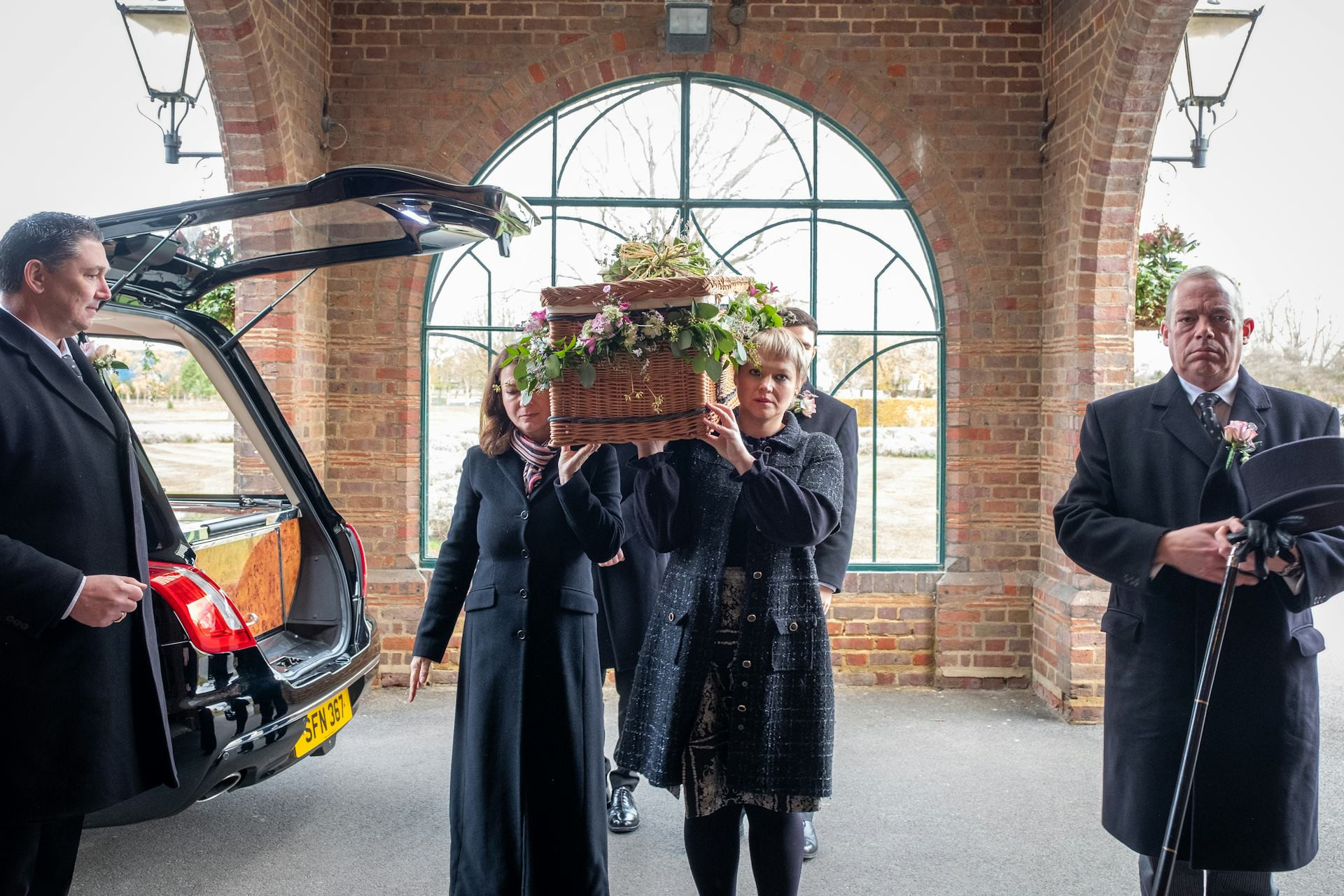
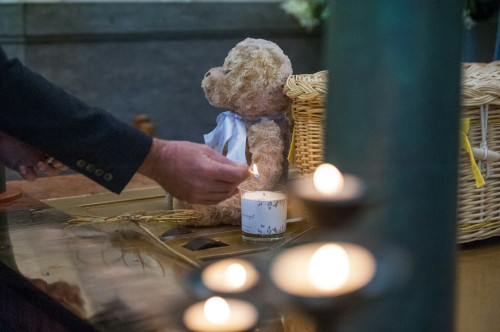
The ceremony itself can be private and simple, attended only by close family, or it can be part of a larger memorial service. Some families invite a priest or officiant, while others prefer a quiet moment without religious elements. The focus is on creating a peaceful farewell that reflects the life and values of the deceased.
Regulations and Time Limits
In Denmark, the handling of ashes is regulated by the Burial Act (Begravelsesloven). The law requires that ashes be either buried or scattered within one year of death. It is the responsibility of the next of kin to ensure this happens.
Urns may only be buried in approved cemeteries or designated urn burial grounds. If the deceased wished for their ashes to be scattered at sea, permission must be obtained from the Ministry of Ecclesiastical Affairs. Scattering ashes over land is generally not allowed unless a special exemption is granted.
The urn itself must be made of biodegradable material—such as wood, clay, or another environmentally friendly substance—so that it naturally decomposes over time.
Læs også:
Choosing a Gravesite
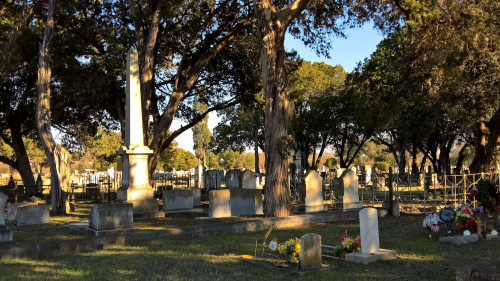
There are several types of gravesites for urns in Denmark, and the choice depends on personal preferences, traditions, and budget.
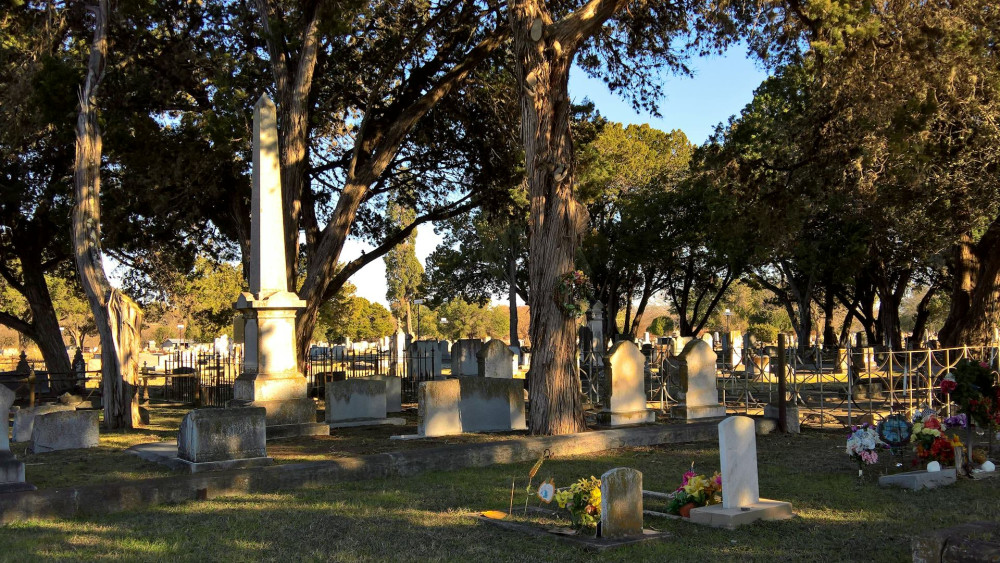
- Individual urn grave – A small plot where a headstone and flowers can be placed. This option provides a tangible place for family and friends to visit and remember.
- Communal grave (named or anonymous) – Urns are buried in a shared area. In an anonymous communal grave, only the cemetery knows the exact location, while a named communal grave often features a shared memorial stone listing the names of the deceased.
- Natural grave – A newer option where the urn is buried in a natural setting, such as under a tree or in a forest. There is usually no headstone, and the area is left undisturbed to blend with nature.
- Columbarium – A structure or wall with niches for urns. This option is more common in urban areas and certain cemeteries.
Before making a decision, families are encouraged to visit the cemetery and speak with the caretaker or cemetery manager to understand the available options and maintenance requirements.
Traditions and Personal Farewells
Although urn burials are often brief, they can be deeply personal. Families may choose to say a few words, read a poem, or place flowers as the urn is lowered. Some play the deceased’s favorite music, while others prefer silence. There are no strict rules for how the ceremony should unfold—the most important thing is that it feels meaningful and true to the person being remembered.
Many Danes find that the urn burial provides a quiet and beautiful conclusion to the farewell process, offering a sense of closure and peace.
Costs and Practical Considerations
The cost of an urn burial varies depending on the type of gravesite and location. Generally, an urn grave is less expensive than a traditional coffin burial because it requires less space and maintenance.
Families should also consider expenses for cremation, officiant or clergy services, headstone, and any desired landscaping or flowers. Some people choose to plan and pay for their burial arrangements in advance, easing the burden on their loved ones later.
Scattering Ashes at Sea
An increasing number of Danes choose to have their ashes scattered over the sea. This can be done from a boat or from the shore, but only with official permission. The scattering must take place over open waters—not in lakes, fjords, or close to land.
This form of farewell appeals to many because it symbolizes freedom and eternity. However, since there is no physical grave to visit, families often create another place of remembrance, such as a memorial stone or tree at home.
A Dignified Farewell and a Place to Remember
Urn burial marks both an ending and a beginning—the end of a life and the beginning of remembrance. Whether one chooses a traditional grave, a natural setting, or scattering at sea, the goal is to create a place, physical or symbolic, where loved ones can find comfort and reflect.
While making these decisions can feel difficult, they also offer an opportunity to shape a farewell that feels right and respectful—a final gesture of love and care for the one who has passed.
Læs også: