The Balance Between Thrill and Reward – The Hidden Craft of Game Developers

The Balance Between Thrill and Reward – The Hidden Craft of Game Developers
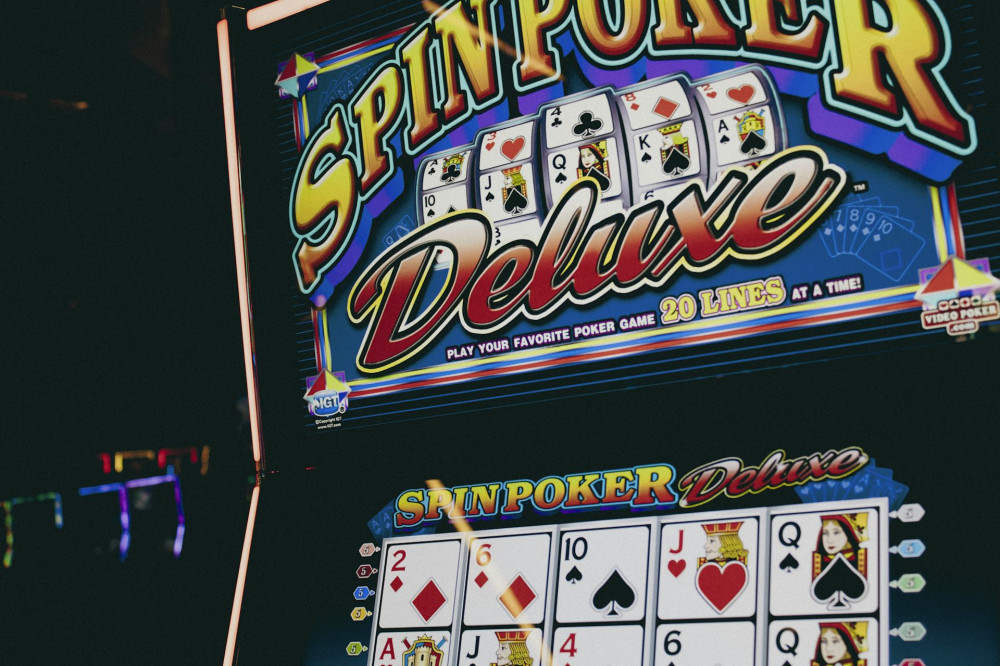
When you hit “spin” on a slot machine or place a bet on your favorite team, there’s far more happening behind the screen than meets the eye. Game developers carefully blend psychology, design, and mathematics to create experiences that both entertain and engage. The balance between thrill and reward isn’t accidental—it’s the result of a finely tuned craft, where every element is designed to resonate with the player’s emotions and expectations.
The Anatomy of Excitement
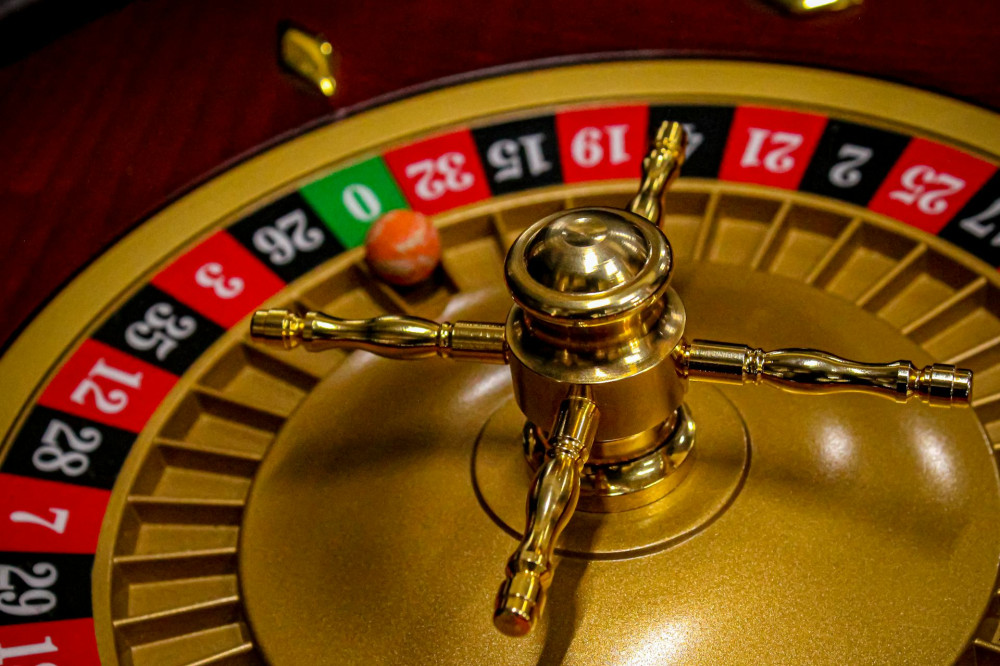
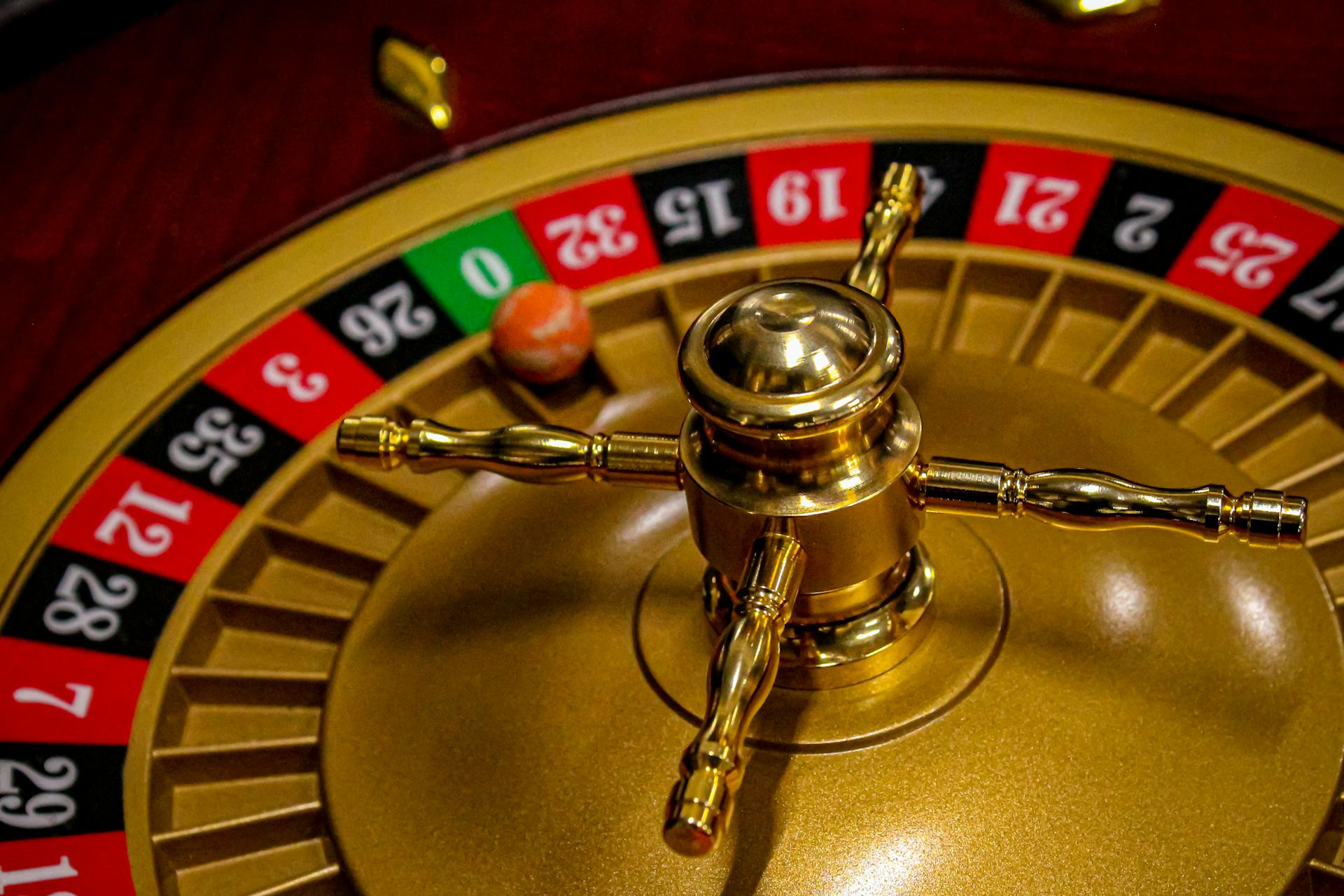
Excitement is the heartbeat of every game. Whether it’s chasing a jackpot, matching three symbols, or watching a ball roll toward the goal line, it’s the moment before the outcome that makes your pulse race. Developers know that this anticipation is what keeps players coming back.
To create that feeling, they rely on variable rewards—a principle rooted in behavioral psychology. Instead of predictable outcomes, rewards appear at irregular intervals. The human brain reacts most strongly when the reward is uncertain, and that unpredictability is what makes games so compelling.
Sound, Light, and Pace – A Sensory Symphony
Visual and audio design play a crucial role in shaping the player’s experience. Every sound, color, and animation is chosen with purpose. A short fanfare after a win, flashing lights, or a rising tempo—all signal to the brain that something important is happening.
Pacing is part of the craft as well. Games that move too quickly can feel overwhelming, while those that drag lose their spark. The ideal rhythm lies somewhere in between, where players enter a state of flow—fully immersed, losing track of time as they play.
The Mathematics Behind the Magic
Beneath the colorful surface lies a precise mathematical engine. Every game is built around a return-to-player (RTP) percentage and a volatility level, which determine how often and how large the payouts are. A low-volatility game offers frequent but smaller wins, while a high-volatility one delivers fewer, but bigger, rewards.
The developer’s challenge is to find the perfect balance so the game feels both fair and exciting. Too many wins, and the challenge disappears. Too few, and players lose interest. It’s a delicate calibration that blends statistics with intuition.
Læs også:



Storytelling and Themes
Modern games are about more than numbers and symbols—they tell stories. Themes like adventure, mythology, or pop culture worlds create emotional context. When players feel part of a narrative, the experience becomes more immersive.
Developers borrow techniques from film and literature: character arcs, atmosphere, and progression. Each win can feel like a chapter in a larger story, turning a simple game of chance into a journey of discovery.
Responsibility as Part of Design
While the goal is entertainment, responsibility has become an essential part of game design. Many developers now embrace responsible gaming principles, ensuring players stay in control. Features like spending limits, reminders to take breaks, and clear information about odds help maintain a healthy balance.
The key lies in balancing excitement with control. A great game should deliver an adrenaline rush—but never cross the line where fun turns into compulsion.
The Future of Play
Technology is evolving fast. With virtual reality, artificial intelligence, and personalized gaming experiences, the balance between thrill and reward is becoming even more refined. Future games may adapt in real time—adjusting pace, difficulty, and reward structures to match each player’s behavior.
Yet no matter how advanced the technology becomes, the essence will remain the same: crafting experiences where excitement, reward, and control coexist in harmony. That’s the hidden craft of game developers—the art of making us play not because we have to, but because we truly want to.
Læs også: