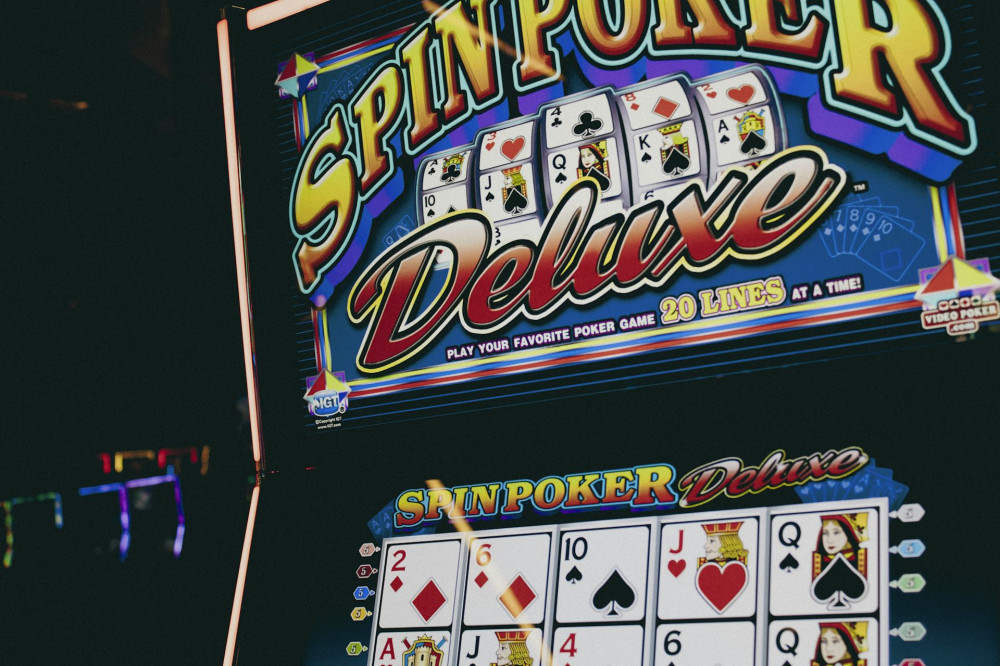
The Jackpot Games of the Future: How AI and Blockchain Are Changing the Rules


The Jackpot Games of the Future: How AI and Blockchain Are Changing the Rules
Jackpot games have always been about excitement, luck, and the dream of hitting it big. But as technology evolves, so does the very nature of the games themselves. Artificial intelligence (AI) and blockchain are two of the most transformative technologies reshaping the gaming landscape — from transparency and security to personalization and entirely new ways to play.
AI as the New Game Architect
AI has already made its mark across countless industries, and gaming is no exception. In jackpot games, artificial intelligence is being used to analyze player behavior, predict preferences, and create more engaging, tailored experiences.
For instance, AI algorithms can adjust a game’s pace, visuals, and bonus features based on each player’s unique patterns. That means two players might experience the same game in completely different ways — one enjoying faster rounds and frequent small wins, while another experiences longer sessions with bigger build-ups of suspense.
AI is also becoming a key tool in promoting responsible gaming. By monitoring factors such as betting frequency, wager size, and reactions to losses, AI systems can detect signs of problematic behavior and intervene — offering reminders, breaks, or even temporary restrictions before things get out of hand. This makes AI not just a tool for entertainment, but also for player protection.
Blockchain: Transparency and Trust
While AI focuses on personalization and prediction, blockchain is all about trust. For years, online casinos have struggled to convince players that their games are truly fair. Blockchain technology has the potential to change that completely.
By recording every game transaction on a public, tamper-proof ledger, players can independently verify that outcomes are random and payouts are accurate. This creates a new level of transparency where trust no longer depends on the casino’s reputation, but on the technology itself.
Blockchain also enables the use of cryptocurrencies and “smart contracts.” These allow winnings to be paid out automatically and instantly, without intermediaries. For players, that means faster payouts and lower fees. For operators, it means reduced administrative costs and fewer disputes.
Læs også:




New Game Formats and Decentralized Casinos
The combination of AI and blockchain is paving the way for entirely new types of jackpot games. We’re already seeing experiments with decentralized casinos, where games aren’t owned by a single company but are instead run by a community of users through blockchain networks.
In these systems, players can help design games, vote on rules, and even share in the profits. It’s a more democratic gaming economy that shifts power from large operators to the community itself.
AI can also be used to create dynamic jackpots, where the prize pool grows and evolves in real time based on player activity. Instead of fixed amounts, jackpots can adjust automatically to reflect how many people are playing and how they’re playing — making every spin or draw part of a living, responsive system.
Security and Ethics in the New Era
Of course, these innovations come with new challenges. Who is responsible if an AI algorithm makes an unfair decision? How can player data be protected when everything is recorded on a blockchain? And how do we ensure that automation doesn’t make gaming too addictive for vulnerable players?
Experts agree that regulation will need to evolve alongside technology. Clear guidelines must define how AI can be used and how blockchain data should be managed. Players should also have access to transparent information about how these systems influence their gaming experience.
A New Era of Gaming Experience
AI and blockchain aren’t just changing the technical foundations of jackpot games — they’re transforming the experience itself. Games are becoming more personal, more transparent, and potentially more fair.
For players, that means greater control and confidence. For operators, it opens up new opportunities for innovation and responsibility. And for the industry as a whole, it signals a shift where gaming is no longer just about luck, but also about technology, ethics, and community.
The jackpot games of the future won’t just be about hitting the right symbols — they’ll be about understanding how artificial intelligence and blockchain together are redefining what it means to play, win, and trust.
Læs også: